

Food and Vitiligo: Debunking Myths and Supporting Healthy Skin
- Reena Majithia
- Nov 29, 2024
- 2 min read


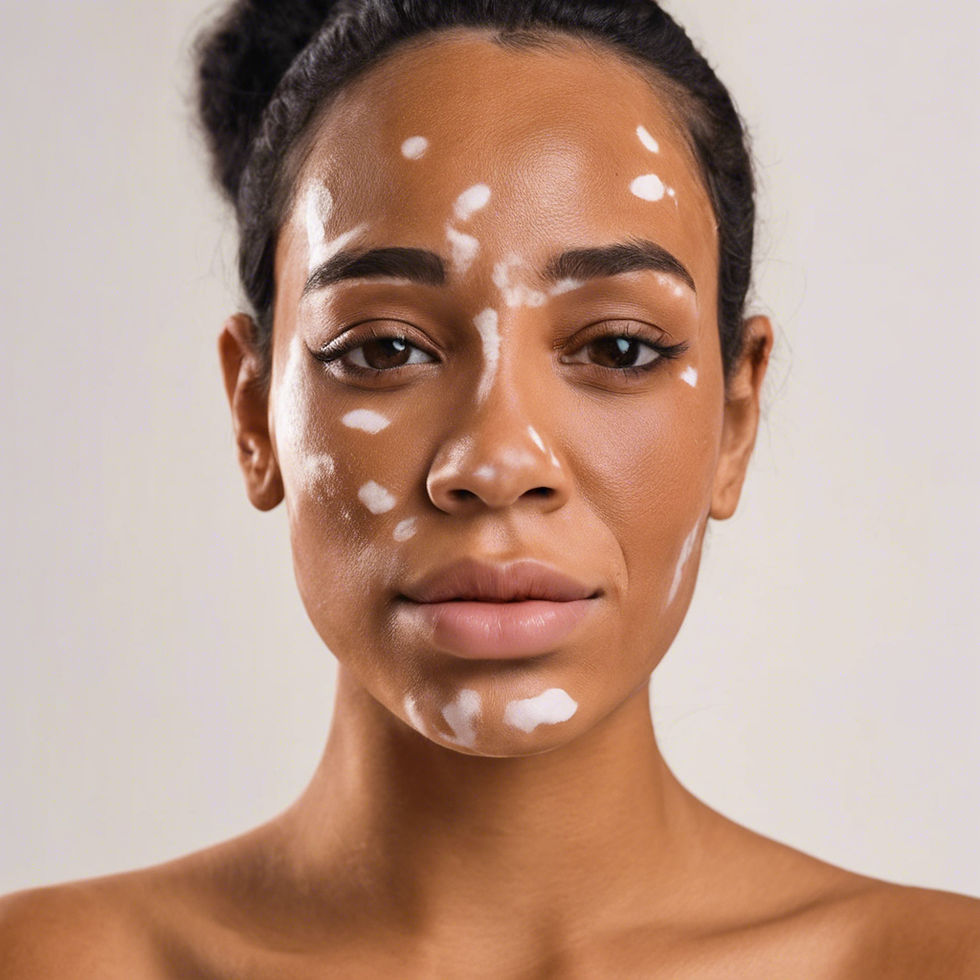
Vitiligo is a skin condition that causes loss of pigmentation, leading to lighter patches on the skin. If you or someone you care about has vitiligo, you may have heard many myths about foods to avoid. In this blog, we'll clear up these misconceptions and highlight the nourishing foods that can support your journey in managing vitiligo.
The Truth About Diet and Vitiligo
Many people believe they need to avoid certain foods to manage vitiligo, but this is not always true. In fact, a balanced diet rich in specific vitamins and nutrients can be beneficial. Here’s a look at some foods that can help support your skin health:
Foods Rich in Essential Nutrients
Broccoli: This green vegetable is a powerhouse of vitamin C. Just half a cup provides an impressive 57% of your daily requirement!
Red Cabbage: Packed with vitamin C and low in calories, red cabbage is a great addition to salads or stir-fries.
Oranges: Not only are oranges refreshing, but they also contain vitamin B12, antioxidants, and beta-carotene—great for overall health.
Parsley: This herb is a fantastic source of vitamins C, B12, and K, plus it has antioxidants that can benefit your skin.
Algal Oil: A wonderful vegan source of omega-3 fatty acids (EPA and DHA), algal oil can be a great addition to your diet.
Fish and Seafood: Cold-water fatty fish like salmon, mackerel, and sardines are rich in omega-3s, which can support skin health.
Nuts and Seeds: Flaxseeds, chia seeds, and walnuts are excellent sources of omega-3 fatty acids and can be easily added to smoothies or oatmeal.
Plant Oils: Oils like flaxseed oil, soybean oil, and canola oil are also high in omega-3s and can be used in cooking or dressings.
Why Nutrition Matters, Especially for Kids
If your child has vitiligo, providing them with the right nutrition during their growing years is crucial. Healthy eating habits can support their skin health and overall development. Falsely ingrained myths about food can do more harm than good. Instead of restricting their diet, focus on incorporating these nutritious foods to help them thrive.
Non-Vegetarian Options
If you're comfortable with a non-vegetarian diet, consider including:
Lean Meats: Chicken and turkey are great sources of protein and essential nutrients.
Eggs: Packed with protein and B vitamins, eggs can be a nutritious addition to your meals.
Shellfish: Foods like shrimp and oysters are rich in zinc, which is important for skin health.
Conclusion
In conclusion, debunking myths about food and vitiligo is essential for making informed dietary choices. A balanced diet rich in vitamins C, B12, D, omega-3 fatty acids, and antioxidants can positively impact your skin health. Whether it's for yourself or your child, focusing on nourishing foods can help combat the challenges of vitiligo and promote overall well-being.
Remember, every small step you take towards healthy eating can make a difference in managing vitiligo!
Related Links:
Comments