


Dry Skin (Xerosis): Causes, Symptoms, and How to Manage It Effectively
- Reena Majithia
- Nov 29, 2024
- 6 min read

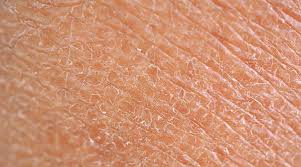
Introduction: What Causes Dry Skin (Xerosis)?
Dry skin, also known as xerosis, is a common issue that affects many people, especially as we age. But did you know that dry skin can be a symptom of underlying health conditions such as atopic dermatitis, diabetes, or thyroid disease? Let’s explore the various causes of dry skin, how to differentiate them, and what you can do to keep your skin healthy and hydrated.
Common Causes of Dry Skin:
Climate: Cold, dry winter air and hot, dry desert environments can cause dry skin. Dry indoor air from heating or cooling systems can also contribute.
Bathing: Bathing too often or too long can remove natural oils from your skin.
Soaps and detergents: Soaps, detergents, and shampoos can strip moisture from your skin.
Skin conditions: Skin conditions like eczema, atopic dermatitis and psoriasis can cause dry skin.
Diseases: Diseases like diabetes, underactive thyroid, kidney/ liver disease and Sjögren syndrome can cause dry skin.
Medications: Certain topical and oral medications can cause dry skin.
Aging: As people age, their skin thins and produces less natural oil.
Swimming: Chlorine in pool water can dry out your skin.
Stress: When you're stressed, your body produces more adrenaline and cortisol, which can affect blood flow to your skin and lead to sweating.
Skin care products: Some skin care products like retinoids, salicylic acid, fragrances, and preservatives can dry out your skin.
Let's answer some of the commonly asked questio related to dry skin:
1. What is Atopic Dermatitis and how does it lead to dry skin?
Answer:Atopic dermatitis, commonly known as eczema, is a chronic skin condition that causes dry, itchy, and inflamed skin. It often runs in families and may be linked to other allergic conditions like asthma. The dryness caused by atopic dermatitis is due to a weakened skin barrier, which fails to retain moisture. This makes the skin prone to irritants and allergens, leading to itching, redness, and discomfort.
2. Does aging cause dry skin?
Answer:Yes, with age, the skin naturally produces less oil, leading to senile xerosis, or dry skin in the elderly. As we age, the skin becomes thinner and loses its ability to hold moisture, which results in dry, flaky, and sometimes itchy skin. Senile xerosis usually affects the legs, arms, and hands more prominently.
3. Can drryness be a sign of some systemic problems ?
Answer: Yes, skin is a mirror of your inner health! At times certain hormonal conditions, such as diabetes, thyroid dysfunction, and kidney/liver diseases, and rarely some type of cancers can lead to dry skin.
Diabetes: High blood sugar levels can cause dehydration, leading to dry and itchy skin.
Hypothyroidism: When the thyroid gland doesn’t produce enough hormones, it slows down the body's metabolism, reducing the production of oils that keep the skin moisturized.
Kidney or liver diseases: These conditions can lead to a buildup of toxins in the body, which can dry out the skin and make it more susceptible to irritation.
Malignancy: Rarely, when a sudden increase in dryness and itching of skin is associated with - Swollen lymph nodes in the neck, armpits, groin, or stomach, Fever for no known reason, Drenching night sweats, Weight loss for no known reason, Fatigue one needs to visit the doctor to rule out any sinister cause for same.
Each condition presents dryness differently, but all require hydration and careful management.
Why Is Dry Skin More Susceptible to Infections?
Q: Why are people with dry skin more prone to allergic and irritant dermatitis or infections?
Answer:When the skin is dry, its natural protective barrier is compromised, making it easier for irritants, allergens, and bacteria (like staphylococcus) to penetrate the skin. This increases the risk of allergic reactions, irritant dermatitis, and recurrent staph infections. Dry, cracked skin is an open door for microbes, which is why moisturizing and skin care are so important.
General Measures: How Can I Manage Dry Skin Effectively?
Q: What are some everyday tips for managing dry skin?
Answer:Managing dry skin is all about maintaining moisture and protecting the skin barrier. Here are some effective tips:
Avoid harsh soaps: Use gentle cleansers that don’t strip away natural oils.
Avoid extreme water temperatures: Bathing in hot water can make dry skin worse. Use lukewarm water instead.
Moisturize frequently: Apply a bland moisturizer (preferably one which also repairs the skin barrier) within 3-4 minutes after bathing to lock in moisture. Reapply at bedtime and as needed throughout the day.
Don’t scratch: Itching can damage your skin further. Instead, apply a moisturizer or cold compress to relieve the itch.
Stay hydrated: Drinking plenty of water helps to keep the skin hydrated from within.

Nutritional Support: What Foods Help with Dry Skin?
Q: Can diet improve dry skin?
Answer:Yes, certain foods are rich in phytoceramides, which are great for skin hydration. These foods include:
Soybeans
Millet
Wheat
Spinach
Sweet potatoes
Potatoes
Corn
Incorporating these foods into your diet can help maintain good skin hydration.
Q: What triggers should I avoid to prevent flare up of eczema / atopic dermatitis
Dust Mite (keep home free from dust):
Here are some tips for dust mite control:
1. Wash all bed lines at least once per week
2. Remove wall to wall carpeting replace carpets with easy to clean surfaces, such as wood, tile or linoleum floors.
3. If you have carpeting, vigorously vacuum at least once per week
4. Use a vacuum equipped with a HEPA (high efficiency particulate air) filter. • Alternatively, use a central vacuum system that is vented to the outside(not the basement)
5. Damp mop flooring once a week
6. Avoid excessive humidity in the home • Use a hygrometer to monitor humidity in the home. • Use a dehumidifier or air conditioner in the summer to keep relative humidity levels low, Do not use a humidifier or vaporiser in the winter, Clean up leaks immediately • Use bathroom and kitchen fans
7. Encase mattress, box spring and pillows in dust mite proof covers • Encasements should have a very tight cotton weave • Covers the whole mattress and has a zipper • Tape over the zippers
8. Use washable blankets and duvets and launder them weekly
9. Clean bedroom twice a week with damp cloth and mop. Avoid sweeping.
10. Replace area carpets with washable rugs
11. De-clutter: remove books, mobiles, ornaments, silk plants and shelves from bedroom
12. Keep storage closets closed and containers covered.
13, Remove all drapes and curtains, Replace with washable roll down blinds.
14. Remove any upholstered furniture from bedroom
15. Remove all stuffed toys from the bedroom
16. Change AC filters regularly and put filter in the bedroom vent.
(These measure also help in controlling the respiratory symptoms associated with atopy - eg: repeated sneezing, allergic cold/ cough/ asthama wheeze)
Fabrics:
Avoid wool, polyester, and other synthetic fabrics Soaps and detergents: Use gentle, fragrance-free cleansers and laundry detergents
Jewelry:
Avoid jewelry made of nickel, which can cause contact eczema
Stress:
Find ways to relax and lower your stress levels
Ceratin Oils:
Olive, Basil, Birch, Cassia, Clove, Citronella, Cumin, Lemongrass, Pink pepper, Sandalwood, and Ylang-ylang and Natural fragrances can be just as likely to cause allergies as synthetic fragrances. For example, tea tree oil, while it has anti-bacterial, anti-fungal, and anti-acne properties, can also cause allergic contact dermatitis and irritation.
P.S.- coconut oil is safe to be used
* Coconut oil is a economical alternative to the moisturizing creams, though it may not be as encouraging to maintain compliance, as the patient finds it a bit too sticky and needs to applied more frequently, as it works for a very short duration.
Conclusion: Take Care of your dry skin as it can be a sign of underlying health conditions, but with the right care and management, you can improve the condition of your skin. Keep your skin hydrated, avoid triggers, and seek medical advice if you notice persistent or severe dryness. Remember to take care of your body from the inside out with proper hydration, nutrition, and dust mite control measures.
#SkiNHealthDryskin#DrySkinCare #Xerosis #SkinHydration #AtopicDermatitis #EczemaRelief #SkinHealthTips #Phytoceramides #DustMiteControl
Related reads:


Comments