

Understanding Skin Tags: Causes, Symptoms, and Treatment Options
- Reena Majithia
- Jan 10, 2025
- 2 min read


What Are Skin Tags?
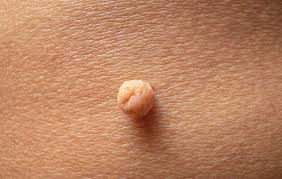
Skin tags, also known as acrochordons, are benign, non-cancerous tumors that commonly occur as people age. These growths can appear on various parts of the body, including the armpits, thighs, neck, and eyelids. Skin tags are generally harmless but can be bothersome or uncomfortable, especially if they rub against clothing or jewelry.
Structure of Skin Tags
Skin tags consist of several structures:
Epidermis: This is the outer covering of the skin tag, which can either be thickened or thinned out.
Fibrous Tissue: The extra mass of the skin tag is made up of loosely arranged collagen fibers and blood vessels.
Pedicle: A thin stalk that connects the skin tag to the surrounding skin.
Appearance and Size
Skin tags are typically small, ranging from 1 to 5 millimeters in diameter, although they can grow larger, up to 1–2 centimeters. They often appear:
Color: Flesh-colored or slightly brownish.
Texture: Smooth or irregular.
Pain: Painless in most cases, but can become sore or bleed if they rub against clothing or jewelry.
Common Locations for Skin Tags
These growths can develop anywhere on the skin but are most often found in areas where skin rubs against skin, jewelry, or clothing, such as:
Underneath the breasts
Eyelids
Groin
Neck creases (where clothing or jewelry may rub)
Underarms
Sides, abdomen, or back
Risk Factors for Developing Skin Tags
While skin tags are harmless, certain factors may increase the likelihood of developing them:
Weight: Individuals who are overweight or have loose skin are more prone to skin tags.
Pregnancy: Hormonal changes and increased friction during pregnancy can lead to skin tag formation.
Health Conditions: Conditions such as diabetes and metabolic syndrome (which includes high blood pressure, unhealthy blood sugar levels, and excess fat around the waist) can increase the risk.
Family History: If a blood relative has skin tags, you may be at higher risk of developing them as well.
Treatment Options for Skin Tags:
If skin tags become bothersome, a dermatologist or other trained professional can remove them using several methods, including:
Cauterization: Burning off the skin tag.
Cryosurgery: Freezing the skin tag for removal.
Excision: Cutting off the skin tag.
Laser Treatment: Using lasers to remove the skin tag.
Surgical Ligation: Tying off the skin tag to cut off its blood supply.
Conclusion:
Skin tags are common and harmless growths that many people experience, especially as they age. While they are generally not a cause for concern, if you notice any changes in your skin tags or experience discomfort, it’s advisable to consult a healthcare professional for proper assessment and treatment options.
Related links :

Comments