

All That Flakes is Not Dandruff!
- Reena Majithia
- Nov 29, 2024
- 3 min read


All That Flakes is Not Dandruff: Spotting the Differences Between Three
Common Scalp Conditions
If you've ever noticed flakes on your scalp or shoulders, your first thought is likely "dandruff." But did you know that not all flakes are caused by dandruff? There are a few conditions that can look similar, but each requires a different approach to treatment. The key players here are Pityriasis Sicca, Seborrhoeic Dermatitis, and Scalp Psoriasis. Let’s break them down and clarify their differences in simple language.
What is "Dandruff"?
"Dandruff" is a catch-all term often used to describe flaky scalp conditions. But in dermatology, it typically refers to Pityriasis Sicca or Pityriasis Simplex Capitis, a non-inflammatory scalp condition. However, Seborrhoeic Dermatitis and Scalp Psoriasis are two other conditions that cause flaking but require a different approach to management.
1. Pityriasis Sicca (Classic Dandruff)
What it is: This is the true "dandruff," and it is caused by the presence of a fungus called Pityrosporon ovale. The condition is common and affects both men and women equally.
How it looks: Flakes appear on the scalp as dry, white, or grayish scales, and there may be mild itching. The flakes are dead skin cells that your body naturally sheds.
How to manage: Mild dandruff shampoos and scalp hygiene can usually manage Pityriasis Sicca. However, persistent or worsening cases should be assessed by a dermatologist.

Dandruff vs. Seborrhoeic Dermatitis How to Treat Flaky Scalp Dermatologist for Scalp Conditions Scalp Care
2. Seborrhoeic Dermatitis (Seborrhoeic Eczema)
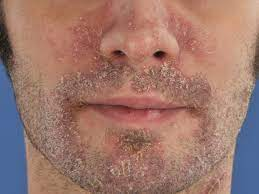
What it is: Seborrhoeic Dermatitis is a more severe form of dandruff, where inflammation plays a key role. It affects areas rich in sebaceous (oil-producing) glands such as the scalp, face, and chest.
How it looks: It presents as oily, flaky, and sometimes red patches, especially in areas like the scalp, eyebrows, and sides of the nose. The flakes are often yellowish, greasy, and may come with a mild itch.
Triggers: Winter weather, stress, and hormonal changes can make this condition worse. It's also commonly associated with an overgrowth of the yeast Malassezia, which feeds on the oils of the skin.
How to manage: Medicated shampoos containing anti-fungal or anti-inflammatory ingredients, and sometimes steroid creams, are used to manage this condition. Since it can be recurrent, working with a dermatologist is important for long-term control.
Dandruff vs. Seborrhoeic Dermatitis Scalp Psoriasis Symptoms How to Treat Flaky Scalp Dermatologist for Scalp Conditions Scalp Care
3. Scalp Psoriasis
What it is: Scalp Psoriasis is an autoimmune condition where the skin cells grow too quickly, leading to thick patches of skin covered in silvery-white scales.
How it looks: Psoriasis flakes are much thicker compared to dandruff. The patches are raised, with well-defined edges, and can be pink, salmon, or purple depending on your skin tone. It often appears not just on the scalp, but also behind the ears, on the forehead, or down the back of the neck.
How to manage: Scalp Psoriasis requires more intensive treatment, including medicated shampoos, topical treatments, or even systemic medications in severe cases. Because of its complexity, it’s essential to see a dermatologist for proper management.

Dandruff vs. Seborrhoeic Dermatitis Scalp Psoriasis Symptoms How to Treat Flaky Scalp Dermatologist for Scalp Conditions Scalp Care
Why Accurate Diagnosis Matters?
While these conditions may seem similar, they each require different treatments. Misdiagnosing or treating a condition incorrectly can lead to worsening symptoms or persistent discomfort. That’s why, for any long-standing or severe "dandruff" that doesn’t respond to over-the-counter treatments, it's important to visit a dermatologist. They can provide an accurate diagnosis and tailor an effective treatment plan based on your specific condition.
Conclusion: Visit a Dermatologist for Long-Lasting Results
If you've been battling flaky skin on your scalp without success, it’s time to see a professional. Only a dermatologist can accurately diagnose whether it's Pityriasis Sicca, Seborrhoeic Dermatitis, or Scalp Psoriasis—and recommend the right course of treatment. Get the right diagnosis, and say goodbye to persistent flakes for good!
#SkiNHealthDandruffvsNotdandruff#Dandruff #SeborrhoeicDermatitis #ScalpPsoriasis #FlakyScalp #HealthyScalp #DermatologistCare #HairHealth #ScalpCare
Related Reads:


Comments